
Close
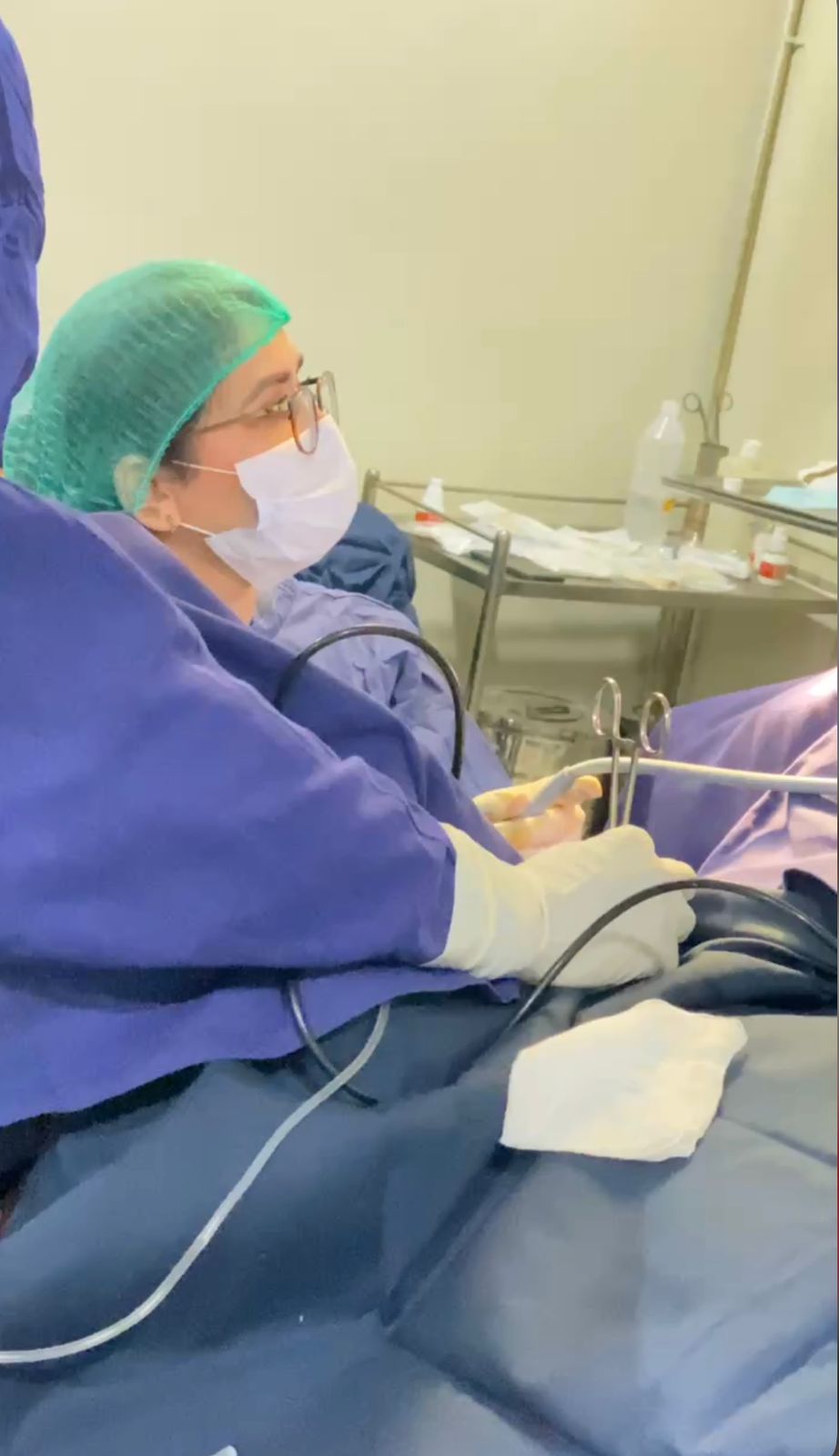
Minimally invasive surgeries use advanced surgical techniques and specialized instruments to perform procedures through smaller incisions compared to traditional open surgery. These modern techniques help reduce pain, minimize scarring, shorten hospital stays, and support faster recovery for patients.
These procedures are recommended for women experiencing gynecological conditions requiring surgical treatment while aiming for reduced physical discomfort and improved healing outcomes. Our experienced specialists carefully evaluate each patient to determine the most effective surgical approach based on their condition, health status, and recovery goals.
Our minimally invasive surgical techniques are designed to provide effective treatment while reducing physical stress and improving patient comfort throughout recovery.
Smaller Surgical Incisions
Reduced Pain & Discomfort
Faster Recovery Time
Minimal Scarring
Lower Risk Of Infection
Shorter Hospital Stay
Precision-Based Surgical
Improved Long-Term
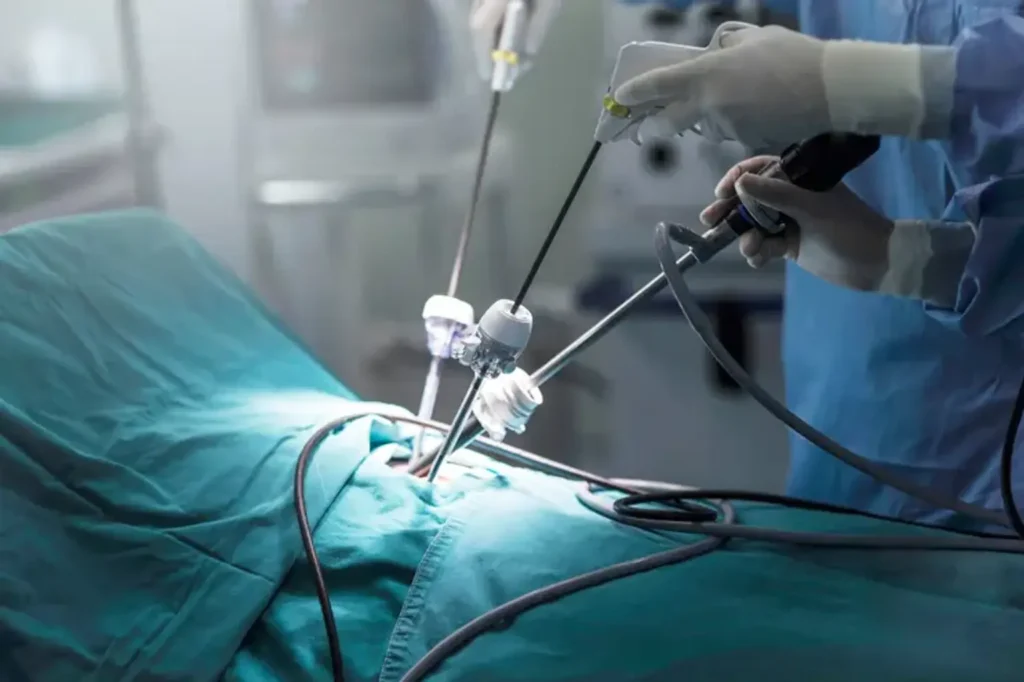
We provide advanced surgical solutions for various gynecological conditions requiring precision treatment and improved recovery support.
Our modern surgical procedures are carefully planned to ensure accurate treatment, reduced complications, and comfortable recovery experiences for every patient.
Laparoscopic Procedures
Hysteroscopic Procedures
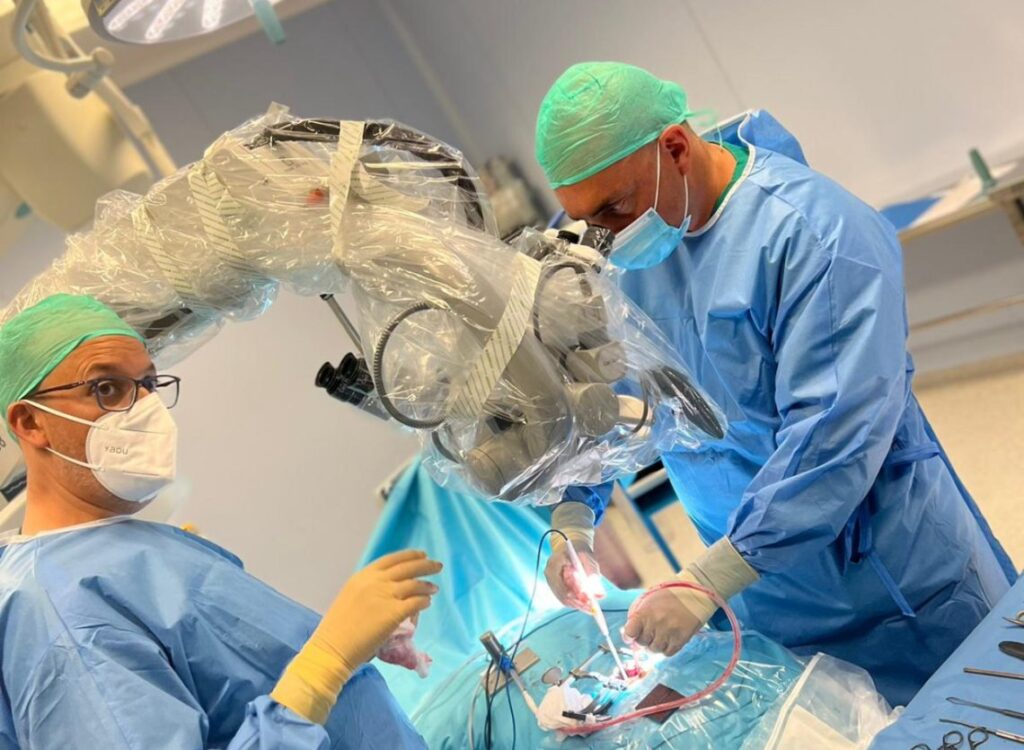
We follow a clear, safe, and patient-focused process to ensure every treatment is personalized, comfortable, and delivers the best possible medical and aesthetic results with complete care and confidentiality.

Yes, Minimally Invasive Surgeries is a safe and widely used minimally invasive technique with low risk and high success rates when performed by specialists.
Recovery is usually faster than open surgery, with most patients returning to normal activities within one to two weeks.
Laparoscopic surgery uses very small incisions, resulting in minimal scarring that typically fades over time.
Pain is generally mild compared to traditional surgery and is managed effectively with prescribed medication and care.
In many cases, laparoscopic surgery helps improve fertility by treating underlying gynecological conditions affecting reproductive health.
The duration varies depending on the condition, but most laparoscopic procedures are completed within one to three hours.