

Introduction
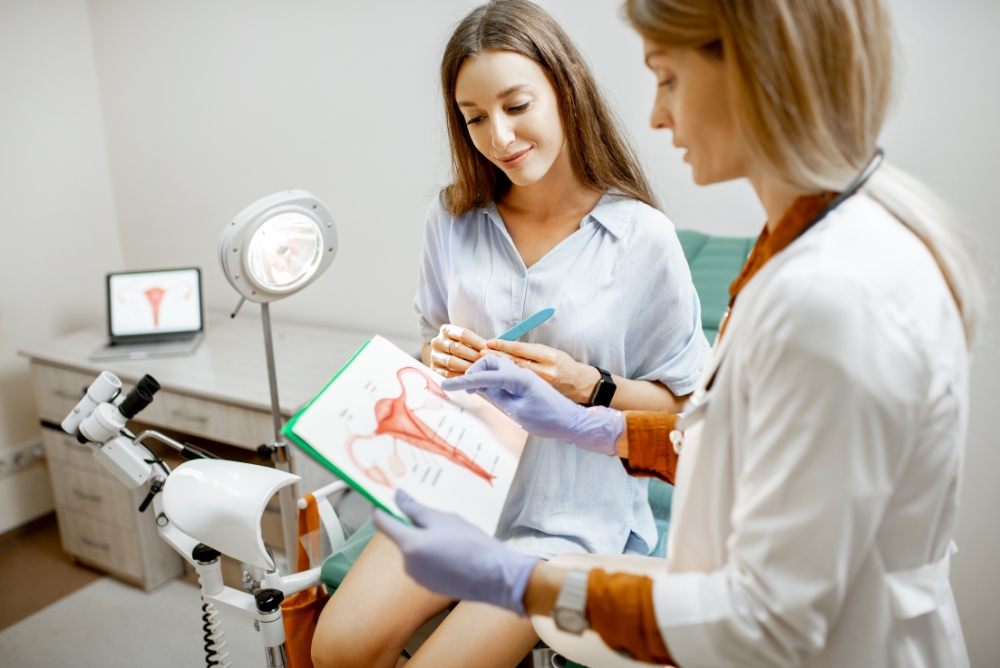
Pain during intimacy is a common yet often unspoken concern among women worldwide. It can affect emotional well-being, relationships, confidence, and overall quality of life. Despite being common, many women hesitate to seek medical help due to embarrassment or lack of awareness. However, modern gynecology now offers safe, effective, and personalized treatments that can significantly improve intimate comfort and restore confidence.
At specialized women’s health clinics, doctors focus on identifying the root cause of discomfort and creating individualized treatment plans. With advancements in medical technology, most cases can now be treated using non-invasive or minimally invasive procedures.
This blog explores the causes of pain during intimacy, available treatments, and how modern gynecology helps women regain comfort and confidence.
What is Pain During Intimacy?
Pain during intimacy, medically known as dyspareunia, refers to persistent or recurring discomfort during or after sexual activity. The pain may occur externally at the vaginal opening or internally deeper within the pelvis.
The intensity of pain varies from mild discomfort to severe pain that prevents intimacy altogether. It may be temporary or long-term depending on the underlying cause.
Understanding this condition is important because it is not just a physical issue but also affects emotional and psychological health.
Common Causes of Pain During Intimacy
There are several reasons why women may experience discomfort during intimacy. Some of the most common causes include:
1. Vaginal Dryness
Hormonal changes, especially during menopause, breastfeeding, or postpartum periods, can reduce natural lubrication. This leads to friction and discomfort.
2. Hormonal Imbalance
Estrogen plays a key role in maintaining vaginal health. Low estrogen levels can make tissues thin, dry, and sensitive.
3. Infections
Fungal or bacterial infections can cause irritation, burning, and pain during intimacy.
4. Postpartum Changes
After childbirth, vaginal muscles may become stretched or weakened, leading to discomfort.
5. Psychological Factors
Stress, anxiety, or past trauma can also contribute to pain by causing muscle tightening or reduced arousal.
6. Medical Conditions
Conditions like endometriosis, pelvic inflammatory disease, or fibroids may also cause pain during intimacy.
When Should You See a Doctor?
Many women ignore early symptoms, thinking the issue will resolve on its own. However, medical attention is necessary if:
- Pain occurs frequently during intimacy
- Discomfort is affecting relationships
- There is persistent dryness or irritation
- Pain continues even after using lubrication
- There is unexplained pelvic discomfort
Early diagnosis can help prevent complications and ensure effective treatment.
Diagnosis and Medical Evaluation
A gynecologist will begin by taking a detailed medical history and discussing symptoms. This is followed by a physical examination and, if needed, diagnostic tests such as:
- Pelvic examination
- Ultrasound imaging
- Hormonal blood tests
- Infection screening
The goal is to identify whether the cause is physical, hormonal, or psychological.
Modern Treatment Options
Advancements in women’s healthcare now offer a wide range of treatment options depending on the cause of pain.
1. Hormonal Therapy
If hormonal imbalance is identified, doctors may recommend hormone-based treatments to restore vaginal health and lubrication.
2. PRP Therapy (Platelet-Rich Plasma)
This regenerative treatment uses the patient’s own blood components to improve tissue healing, sensitivity, and lubrication.
3. Laser Vaginal Rejuvenation
Laser therapy improves elasticity, reduces dryness, and enhances overall vaginal health without surgery.
4. Pelvic Floor Therapy
This involves strengthening or relaxing pelvic muscles to improve comfort during intimacy.
5. Infection Treatment
If infections are present, antibiotics or antifungal medications are prescribed.
6. Counseling and Emotional Support
For psychological causes, therapy or counseling may be recommended to address anxiety or trauma.
Lifestyle Changes That Help
Along with medical treatment, certain lifestyle changes can improve intimate health:
- Staying hydrated
- Maintaining hormonal balance through diet
- Regular exercise
- Stress management techniques
- Using doctor-recommended lubricants
These small changes can significantly improve comfort over time.
Emotional Impact of Intimate Pain
Pain during intimacy is not just a physical issue. It often affects emotional well-being, leading to:
- Reduced self-confidence
- Relationship stress
- Anxiety about intimacy
- Emotional withdrawal
That is why modern treatment focuses on both physical and emotional healing.
Why Women Avoid Treatment
Many women delay treatment due to:
- Embarrassment discussing symptoms
- Lack of awareness about treatment options
- Belief that pain is “normal”
- Fear of medical procedures
However, modern gynecology ensures privacy, comfort, and non-judgmental care.
Importance of Early Treatment
Early intervention leads to:
- Faster recovery
- Better treatment outcomes
- Improved quality of life
- Restored confidence
- Stronger relationships
Ignoring symptoms can worsen the condition over time.
Final Thoughts
Pain during intimacy is a medical condition that can be treated effectively with modern healthcare solutions. Women no longer need to silently suffer or accept discomfort as normal.
With advanced treatments like laser therapy, PRP, hormonal support, and personalized care plans, it is now possible to restore comfort, confidence, and overall intimate wellness.
If you or someone you know is experiencing such symptoms, consulting a qualified gynecologist is the first step toward recovery and improved quality of life.